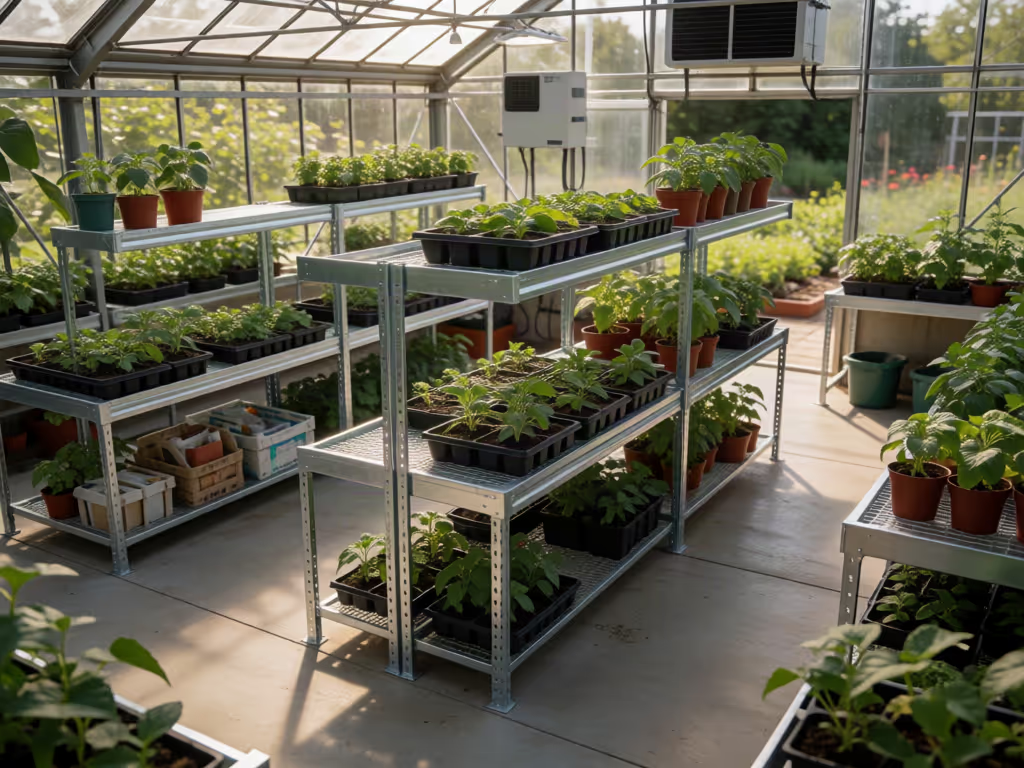
Greenhouse Supplies Pots Work Zone: DIY Potting Bench Layout
By Takumi Sato • 6th Sep
Quick answer
A practical greenhouse potting work zone can borrow from commercial greenhouse planning: identify major activity areas and arrange material flow to minimize handling and cross traffic. Bring supplies in, pot near the entry, and move finished plants forward without unnecessary crossing.
- Key distinction: Borrowing from computer-workstation guidance, keep daily pots, labels, and tools within easy reach; store bulk media and seasonal supplies outside the active work surface.
- Important caveat: Published 22-, 28-, and 34-inch examples are illustrative, not universal standards. No supported aisle-width rule exists for hobby greenhouses, so test the taped layout with trays, media, door swings, and ventilation access before building.
Important: Use a bench top with gaps for drainage and a bench-frame material suited to moist conditions.
A tidy greenhouse supplies pots work zone is not a decorative extra. It is the control point between stored media, clean containers, planted starts, and the growing benches. Use commercial greenhouse planning as a guide: map major activity areas and material flow before placing the furniture.
I have seen otherwise sound greenhouse build DIY projects become cramped obstacle courses because benches were installed before anyone asked where a bag of mix, a tray of pots, and a finished flat would actually travel. Tighten what weather will loosen, and organize what daily work will scatter.
FAQ: What zones does a small greenhouse actually need?
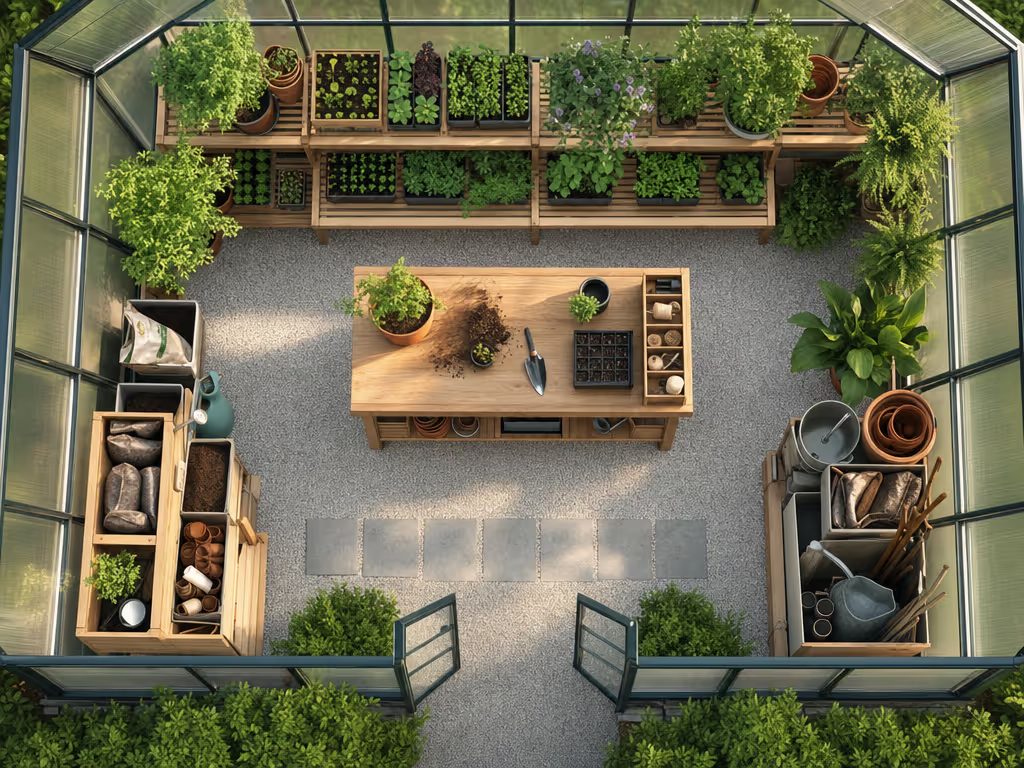
Commercial greenhouse planning begins with major activity areas and aims to minimize handling and cross traffic. For a small hobby layout, use that as a traffic-flow principle rather than a dimensional standard. The useful sequence is simple:
- Bring in pots, media, labels, and plants.
- Stage empty pots and supplies.
- Fill and plant at the work surface.
- Move completed containers directly to the growing area.
- Remove plant residue, used tags, and other waste without dragging it back through the work area.
Commercial greenhouse planning uses designated activity areas and aims to minimize handling and cross traffic. That same principle scales down well. You do not need separate rooms inside a hobby greenhouse; you need a small greenhouse space strategy where materials do not repeatedly cross the same narrow path.
Diagram in words: Picture the doorway at the front. Place the incoming supplies near the door. Put the potting surface next, then the growing benches beyond it. Finished plants move forward once, rather than traveling past media bags and back again.
A commercial greenhouse headhouse example shows separate designated areas for flat filling and media mixing. It is an illustrative commercial plan, not a requirement that every hobby greenhouse have separate rooms or areas.
FAQ: How should I choose potting-bench height and depth?
Washington State University Extension describes traditional greenhouse benches at about 30 inches above the floor for convenient plant care and handling. Treat that as a conventional starting reference, not a body-specific rule. Computer-workstation guidance offers only a broad caution that work surfaces that are too high or too low may lead to awkward postures; it does not set a standing potting-bench height.
Before committing lumber, run a full mockup:
- Set a board or folding table at the proposed height.
- Fill several pots, work with a seedling tray, and reach to the back edge.
- Notice whether the setup feels awkward or makes the back edge difficult to reach.
- Repeat while wearing the footwear you normally use in the greenhouse.
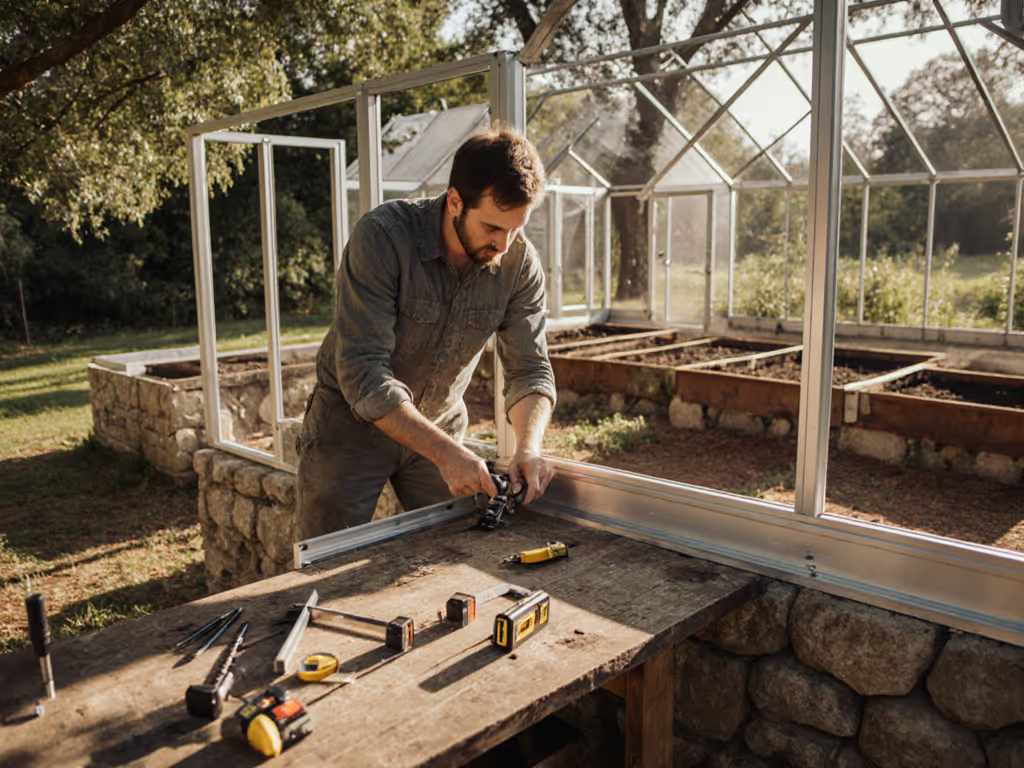
A published 6-by-8-foot DIY example used 22-inch-deep side benches, 28 inches tall, and a 24-inch-deep back bench in a U-shape. Its builder chose the shallower side depth to retain movement room and permit a comfortable reach. That is a useful small-space example, not a universal template. Another individual build used 34-inch benches for a tall user.
Build to the person doing the work and the path materials must take, not to a dimension copied from a photo.
There is no single supported aisle-width measurement for hobby greenhouses, so use these safe staging and shelving principles when testing your bench layout. Instead, lay out the proposed bench footprints on the floor with tape or boxes. Walk the route while carrying your largest normal tray, a bag of media, and a watering can. Open the door and operate vents or other equipment. If you must turn sideways, set things down repeatedly, or block access to plants, revise the bench depth or configuration before cutting material.
FAQ: Where should greenhouse pots, labels, and tools go?
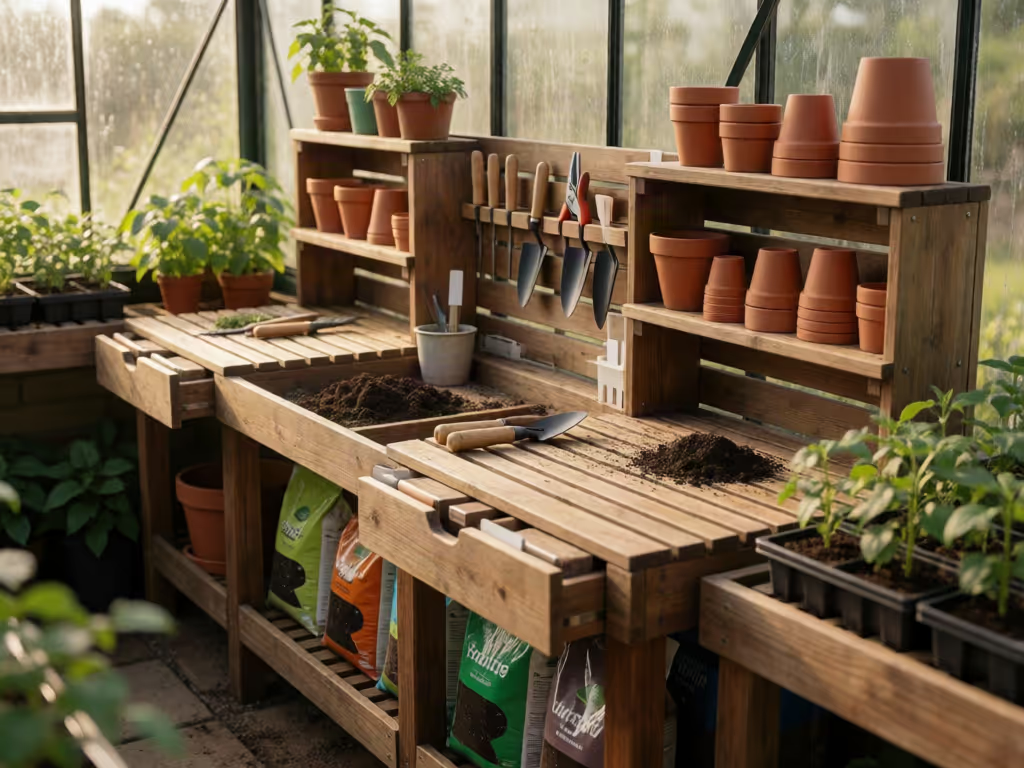
Borrow a general organizing principle from OSHA's computer-workstation guidance: frequently used workstation items should remain within the repetitive-access primary work zone. Applied to potting, that means keeping pots currently in use, labels, markers, hand tools, and the next ingredient in the mix closest to where you stand.
Arrange storage in three tiers:
Tier 1: At-hand supplies
Keep only today’s active pot sizes, labels, and basic hand tools at the potting surface. This is the fastest zone, so protect it from clutter.
Tier 2: Reserve stock
Store extra pots and unopened media nearby but outside the immediate work surface. A lower shelf is feasible in a DIY bench design when its side supports are placed inside the legs and closer to the ground. Keep that shelf intentional: reserve supplies only, not a catch-all for broken trays and abandoned projects.
Tier 3: Bulk and seasonal materials
If you have a greenhouse storage shed or another dry storage location, use it for surplus pots, large bags, and seasonal equipment. The greenhouse work zone should carry enough inventory to keep you moving, not every item you own.
For growing media, do not substitute garden soil merely because it is convenient. University of Maryland Extension notes that soil is too dense for good air and water movement in containers. Commercial soilless mixes are described as lightweight, well-draining, able to hold water and nutrients, and generally free of weeds, insects, and diseases. Compost can be part of container media, but its nutrients release slowly and may not provide everything plants need for a full season.
FAQ: Does the bench surface affect plant health?
Yes. A well-designed greenhouse bench system can improve air circulation around plants and disease control. Benches are also easier to sanitize than growing directly on the ground.
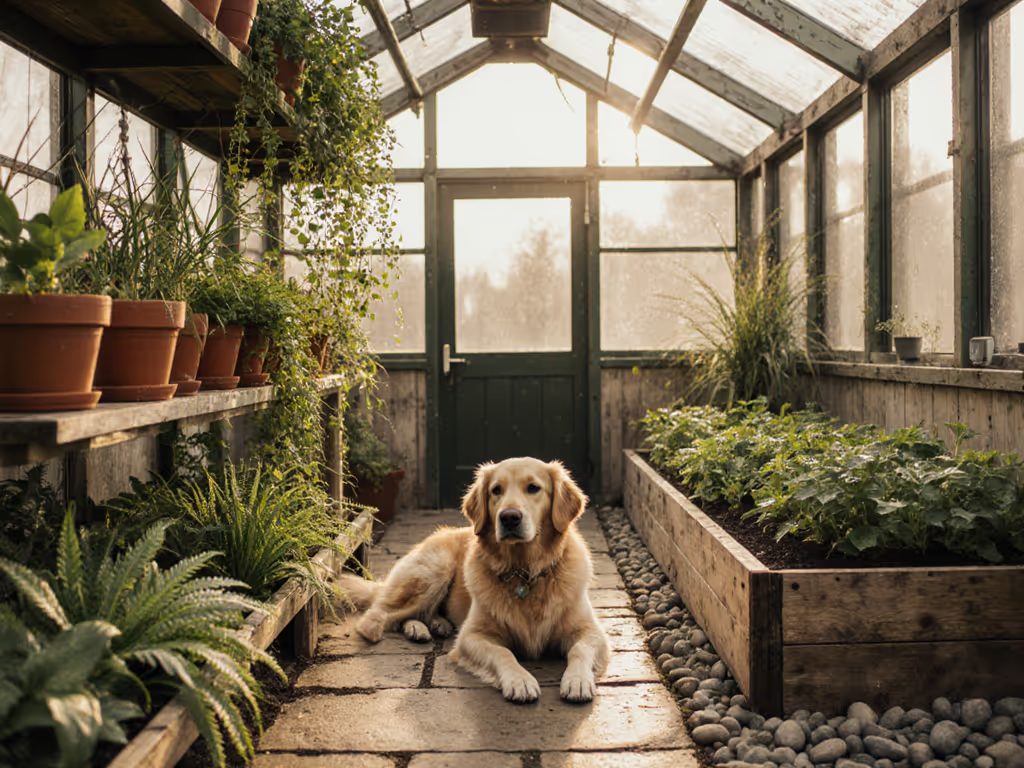
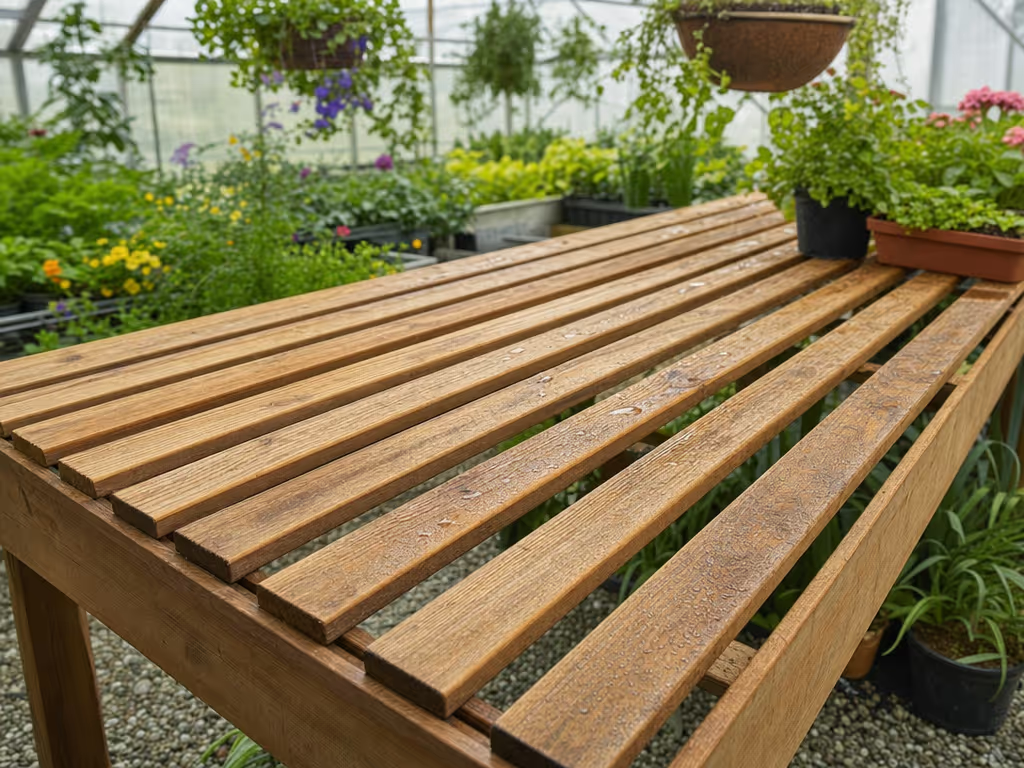
Choose a top that supports containers while allowing water to leave the surface. Simple bench structures can use wood or steel frames with mesh wire, snow fence, wood slats, or other rigid supports. A DIY example uses slatted tops with gaps for drainage; a wire top needs sufficient horizontal support so it does not sag.
For a wood bench frame in moist greenhouse conditions, red cedar or redwood has a longer expected life than pine or spruce. That guidance applies to the bench and its supports, not to selecting materials for the entire greenhouse structure.
Pressure-treated lumber deserves a boundary. One DIY publisher describes it as an option for a bench unlikely to contact food or soil. That is not a blanket recommendation for food-growing surfaces or the greenhouse itself. If that contact boundary is unclear, select another bench material rather than rationalizing a shortcut.
FAQ: Where should the soil mixing station go?
A commercial greenhouse headhouse example designates separate areas for flat filling and media mixing. That example does not establish a required layout or separate-room rule for a hobby greenhouse.
The test is direct: can you bring media in, mix it, fill containers, and move them to growing benches without crossing the route used for routine watering and plant care? If not, the mixing station is in the wrong place.
For media you intend to reuse, remove plant residues and tags, then store it in a trash can or heavy-duty bags. Do not save media if root diseases were a problem. That decision point matters more than saving a few scoops of mix; greenhouse soil management helps prevent reused diseased media from becoming a failure mode you import into the next crop.
FAQ: What DIY layout mistakes cause the most regret?
The recurring problems are predictable:
- Skipping activity-area planning. Commercial greenhouse guidance starts with major activity areas and seeks minimum handling and cross traffic.
- Treating a published dimension as a standard. Result: a bench that does not fit the user, greenhouse, or task.
- Storing supplies where they obstruct vents or equipment. Greenhouse ventilation and airflow are important for uniform temperature and humidity management.
- Choosing a top without gaps for drainage. A published DIY bench example uses slats with gaps to allow water to drain.
- Ignoring comparative wood life for bench frames. In moist greenhouse conditions, red cedar or redwood has a longer expected life than pine or spruce.
Commercial greenhouse guidance starts preliminary layout planning with major activity areas and arranges material flow to minimize handling and cross traffic. For this hobby layout, use that principle, then match the bench height and surface to the user and task. The same mindset applies here: do not make a token bench and call it organized.
FAQ: What should I do this weekend?
Use the commercial activity-area and low-cross-traffic principle to test a full-scale floor plan:
- Mark the door swing, growing area, potting surface, and media station with tape.
- Walk the path with your largest tray and a media bag.
- Mock up the bench height near the 30-inch conventional reference, then adjust for the main user and task.
- Reserve close reach for daily supplies; move bulk stock to a greenhouse storage shed or other dry location.
- Choose a bench top with gaps for drainage and a frame material appropriate for moist greenhouse conditions. Add those choices to a seasonal greenhouse maintenance checklist.
- Keep supplies clear of routes needed for watering and plant access.
Do that planning once, then build with margins. Overbuild once; sleep through the wind warnings at night.
Related Articles