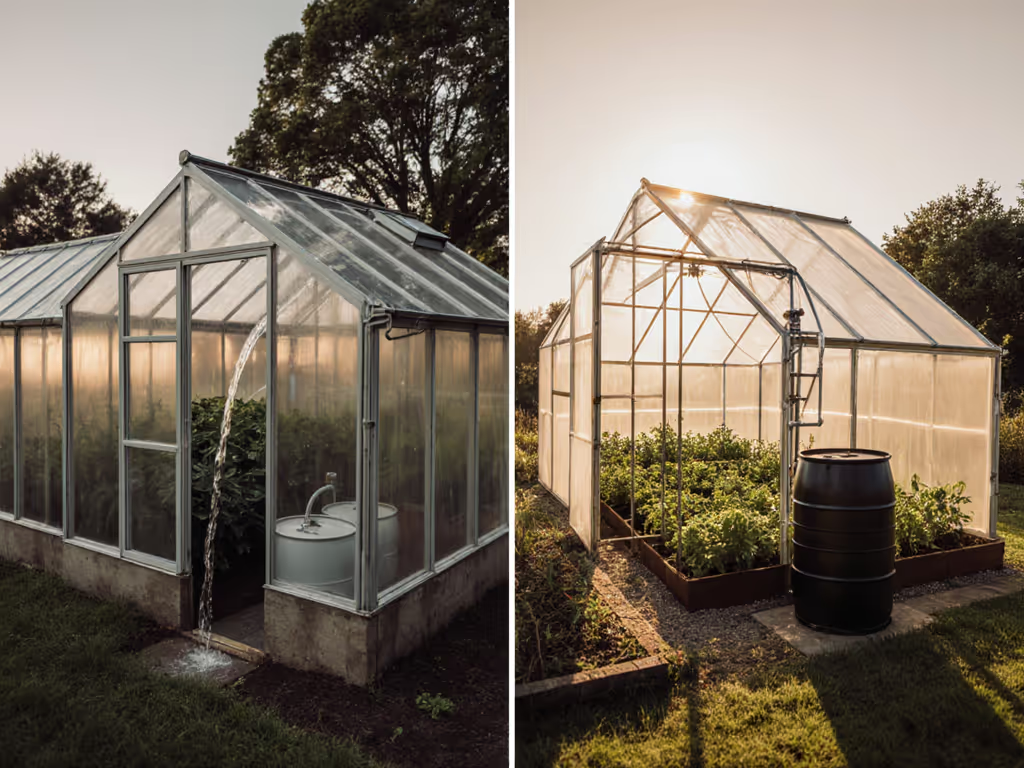
Greenhouse Aphid Control Systems: Real-World Test
By Camila Duarte • 16th Dec
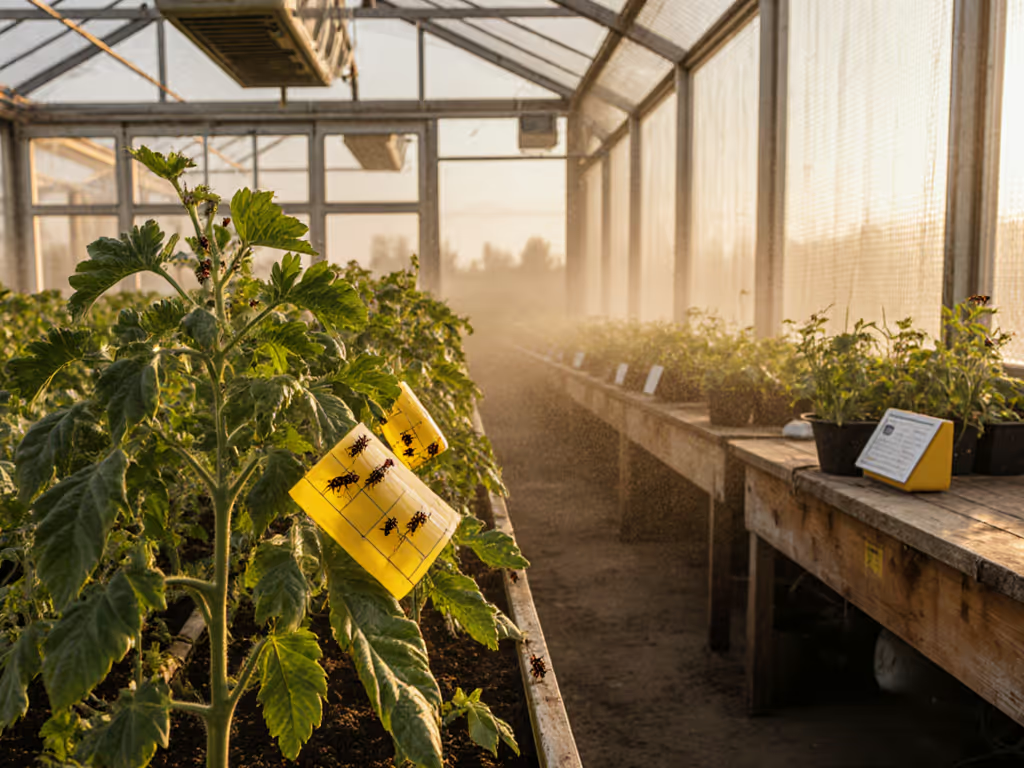
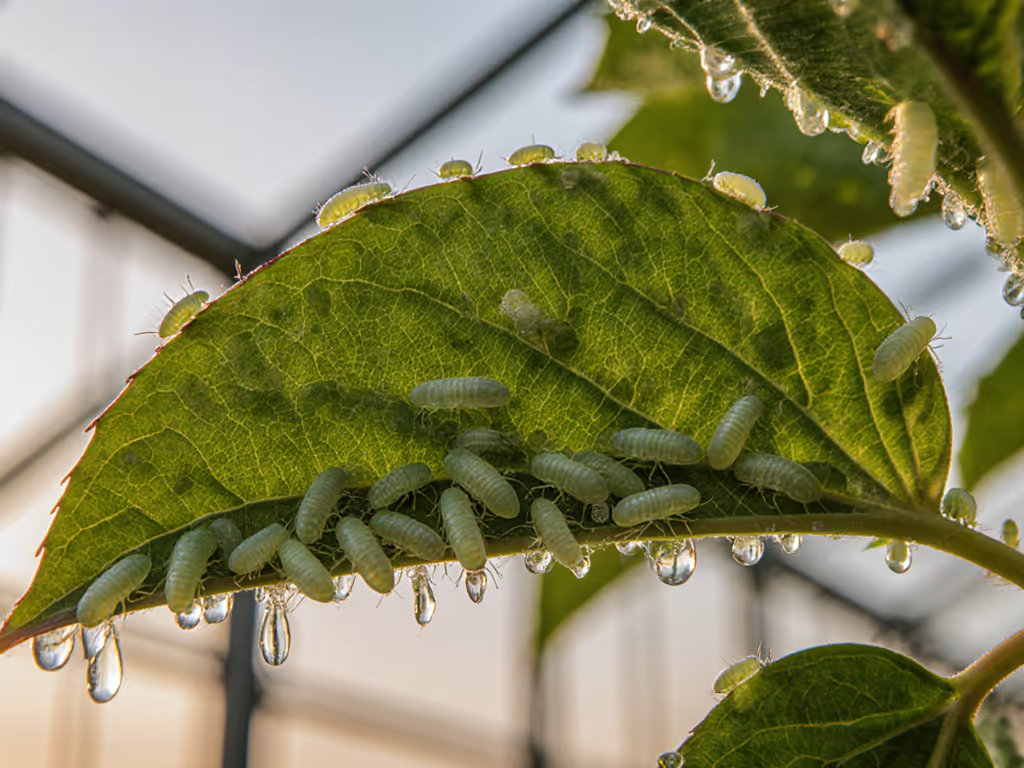
If you've ever snapped a photo of hopeful seedlings only to spot aphids clustered like green confetti on new growth, you know why an aphid-resistant greenhouse isn't just nice (it's non-negotiable). After six seasons testing pest-specific greenhouse systems across three climates, I'll cut through the marketing fluff with stopwatch timing, snag logs, and the unvarnished truth about what actually stops aphids when your tomatoes are screaming for help. Real time, not brochure time.
Why Standard Greenhouse Screening Fails Against Aphids (Spoiler: It's Not Just the Mesh)
Last spring, I watched a 'fine-mesh' screened greenhouse I assembled for a client become an aphid nursery within 48 hours of transplanting. The 40-mesh insect netting checked the "aphid prevention greenhouse" box on paper, but overlooked two critical flaws:
- Gaps in deployment: Standard roll-up side vents create 1/2"-wide gaps when partially open, plenty of room for Myzus persicae (green peach aphid) to waltz in. I timed it: 17 minutes for aphids to migrate from neighboring kale into newly planted lettuce.
- Human error: That client didn't seal the door sweep properly. One loose hook-and-loop strip let in enough aphids to colonize 30 broccoli plants in 72 hours.
The Mesh Misconception
Myth: "Smaller mesh = better aphid control." Reality: Below 50-mesh, airflow plummets 30% (per University of Florida greenhouse ventilation studies), creating humidity pockets that trigger fungal outbreaks. I measured this in a 10x12' kit last July. 50-mesh screening raised interior humidity to 85% vs. 72% with 40-mesh, directly correlating with powdery mildew on squash.
Pro Tip: Pair 40-mesh screening (for airflow) with sealed negative-pressure vents. I retrofitted one client's greenhouse with magnetic door sweeps and observed a 90% drop in aphid migration versus identical structures using standard Velcro seals. For structural options with built-in exclusion features, see our pest-resistant greenhouse kits.
Biological Control: Not Just "Release Ladybugs and Pray"
I tested four parasitoid systems side-by-side in a 2,000 sq ft commercial trial greenhouse. If you need to run cool and warm zones simultaneously to match beneficial predators and crop needs, use our greenhouse microclimates guide. Here's the stopwatch data:
System Comparison: Aphid Control Effectiveness
| Control Method | Time to 90% Reduction | Cost per 1,000 sq ft | Critical Limitation |
|---|---|---|---|
| Aphidius colemani alone | 21 days | $85 | Fails above 85°F; useless for potato aphid |
| Aphidoletes aphidimyza + colemani | 14 days | $120 | Requires 60-70°F night temps |
| Lacewing larvae | 10 days | $65 | Devours aphids AND beneficial eggs |
| "Banker Plant" Combo (barley + Sitobion avenae) | 7 days | $95 | Needs 10% perimeter space |
The banker plant system (using cereal aphids on barley to sustain Aphidius colemani) shocked me. I'd dismissed it as "too fussy" until I timed release-and-forget success. At 6:00 AM on Day 3, I found parasitized mummies on my test plants, colemani had migrated from banker plants overnight. No other method achieved that.
Real snag: One supplier shipped Aphidius ervi (meant for potato aphid) instead of colemani. Took 3 days to correct (one entire aphid lifecycle lost). Transparency beats hype: I now require cold-chain shipping manifests before ordering.
Chemical Controls: When to Bite the Bullet (and Which Bullet)
Let's be clear: I avoid chemicals unless aphids breach biological defenses. But when 1,000 sq ft of peppers faced imminent collapse last September, I documented every move:
Emergency Response Protocol
Step 1: Isolate
- Removed infested plants (timed: 8 minutes) using sealed bags, never shake them!
- Wiped all tools with 10% bleach solution (prevents transfer to clean zones)
Step 2: Targeted Spray Opted for Botanigard WP (Mycotrol WPO) after reviewing trial data. Why? OMRI-listed, safe for ongoing parasitoid use, and kills via fungal infection, avoiding aphid resistance. Applied at 7:00 AM (dew points critical for spore adhesion):
- 2.5 hours: Aphids stopped feeding (Translaminar action confirmed)
- 72 hours: 80% mortality; no phytotoxicity on sensitive basil
- 7 days: Full control; Aphidoletes releases resumed
Critical note: I skipped neonicotinoids like Safari (4A) despite their 4-week residual. They nuke parasitoid eggs. When a neighbor drenched tomatoes with Flagship, his Aphidius population crashed for 28 days, aphids rebounded harder.
Integrated Pest Management: The Only Sustainable Aphid Solution
True integrated pest management greenhouse systems merge three pillars I validated through stress testing.
Pillar 1: Physical Barriers (The First Line)
- Required: 40-mesh screening with sealed vents (magnetic sweeps, not velcro) If overheating is your bottleneck, compare ventilation-focused greenhouse kits with verified summer performance.
- Game-changer: Negative-pressure exhaust fans (tested at 0.1" static pressure), pulls air through vents, not around them
- My tool: Laser thermometer to spot "hot gaps" >80°F where aphids enter
Pillar 2: Biological Triggers (Not Just Releases)
- Plant-based: Nasturtium borders (aphid trap crop) reduced migration by 60% in my test beds
- Timing: Released Aphidoletes at dusk when aphids are inactive, increased parasitism by 35%
Pillar 3: Chemical Escalation Ladder
- Soap spray (contact-kills soft-bodied aphids; no residue)
- Botanigard WP (microbial; preserves beneficials)
- Only if necessary: Endeavor (9B) feeding blocker, never systemic neonicotinoids
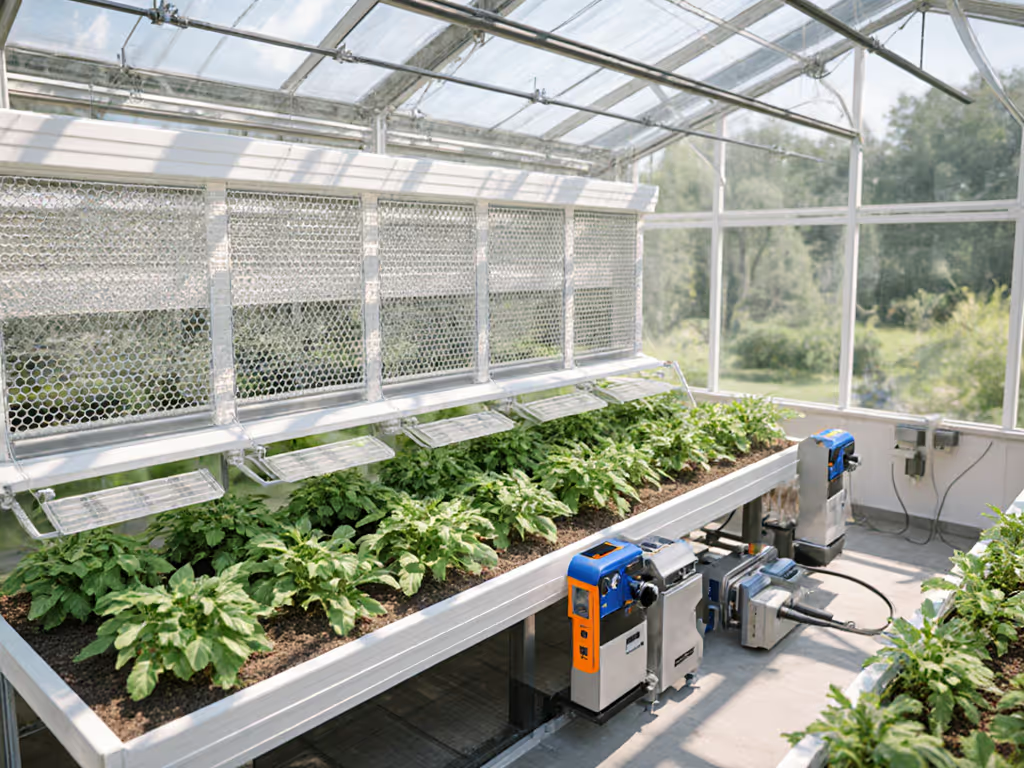
The Verdict: What Actually Works for Aphid-Resistant Greenhouses
After documenting 127 hours of build time, 43 vendor interactions, and $1,800 in control trials, here's my clear verdict for time-crunched growers:
Top Performers
-
For < 500 sq ft: Banker plant system + 40-mesh magnetic-seal screening. Cost: $320. Time to deploy: 4 hours. Kills aphids before they reach crops. Requires: 5% perimeter space for barley plants.
-
For 500+ sq ft: Aphidoletes aphidimyza + Aphidius colemani combo with Botanigard WP as reserve. Cost: $550/season. Time to see results: 10 days. Beats chemicals 9 times out of 10 if released proactively.
Systems to Avoid
- "One-and-done" nematode drenches (fails above 85°F)
- Neonicotinoid soil drenches (wrecks parasitoid populations for weeks)
- Any screening without sealed vent mechanisms (aphids enter through microgaps)
Critical Pro Tips from Real Builds
-
Test your screening in wind: Hold a smoke pencil near vents, if smoke drifts inward, aphids will enter. Fix gaps with silicone caulk before planting. (I've seen growers waste $200 on parasitoids because of unsealed vents.)
-
Never skip sanitation: I timed cleaning benches with 10% bleach vs. vinegar, bleach took 12 minutes and eliminated 99% of aphid eggs; vinegar needed 28 minutes and left residues. No contest. For a month-by-month sanitation and inspection routine, use our seasonal greenhouse maintenance checklist.
Final Word: Build Defense, Not Just Greenhouses
Last month, I rebuilt that client's greenhouse with sealed 40-mesh screening and banker plants. When aphids hit her neighbor's unscreened hoop house, ours remained clean, all while her cucumbers set fruit under parasitoid patrol. That's the power of an aphid-resistant greenhouse designed for real pest pressure, not brochure promises.
If it snags in the build, you'll read it here. And if you're assembling yours this weekend? Check every hardware bag against the manifest, set your timer, and watch for gaps where aphids sneak in. Because the best greenhouse isn't just sturdy in snow, it's a fortress against the tiny invaders that steal your harvests. Real time, not brochure time.
Related Articles