Best Pest-Resistant Greenhouses: Built-In Exclusion Systems
By Hana Al-Khalil • 11th Nov
If you've ever watched aphids turn your prized heirloom tomatoes into sticky traps or discovered spider mites massacring your basil at the worst possible moment, you understand why building a pest-resistant greenhouse isn't just about protecting plants, it's about protecting your peace of mind. A truly effective integrated pest management greenhouse starts long before you spot that first telltale whitefly; it begins with smart design that prevents pests from entering in the first place. If you're still mapping out your structure, start with our step-by-step greenhouse design guide to plan pest exclusion into the build. When your space stays comfortable and pest pressure remains low, you're far more likely to tend it through every season (because let's face it, comfort grows plants) and to keep at it through storms. That's why Cool the human, save the crop isn't just a slogan, it's the foundation of sustainable greenhouse gardening.
Why Exclusion Beats Eradication Every Time
I learned this lesson the hard way with my first hoop house. I'd inherited a structure that seemed perfect, until the summer sun transformed it into a sweltering oven that repelled me as much as pests. Tomatoes scorched before noon, and I dreaded entering until evening. My breakthrough came when I realized that effective pest management isn't just about spraying or introducing predators, it's about creating an environment where you want to spend time checking plants and noticing problems early. When pests can't enter easily, you're not fighting constant invasions, and that relief translates to more consistent monitoring and care.
Exclusion is the most overlooked yet most powerful component of any integrated pest management greenhouse strategy because it's preventative rather than reactive. Think of it as your greenhouse's immune system (when working properly, you never notice it, but when compromised, everything suffers). The University of Connecticut's IPM program confirms that prevention accounts for 70% of successful pest management in greenhouse settings.
Step 1: Know Your Enemy Before You Build
Before you purchase a single panel or screen, identify the pests most likely to target your specific crops and climate. Different regions face different threats:
- Coastal zones often battle whiteflies and aphids
- Snowbelt regions contend with overwintering spider mites
- Southwest heat zones see explosive thrips populations
- Wind-prone plains experience constant insect migration
Your local extension office can provide region-specific pest profiles. Coastal growers should also consider salt-air-ready greenhouse kits to prevent corrosion-related gaps that become pest entry points. Once you know your primary threats, reference this guide to determine appropriate mesh sizes:
| Pest | Minimum Mesh Size Required |
|---|---|
| Aphids | 40 mesh |
| Whiteflies | 50 mesh |
| Thrips | 80 mesh |
| Spider mites | 100 mesh |
| Fungus gnats | 16 mesh |
Cool the human, save the crop. The right exclusion system reduces your stress while protecting your plants.
Step 2: Screening Systems That Actually Work
Not all insect-proof greenhouse screening delivers equal protection. Here's what matters:
Material Matters
- Fiberglass: Affordable but degrades faster in UV exposure
- Aluminum: More durable but conducts heat, potentially creating hot spots
- Polyester: Best balance of durability and temperature stability
Installation Integrity
A single gap renders your entire system useless. Look for greenhouses that feature:
- Seamless integration where screens meet frame (no overlapping edges where pests can enter)
- Tensioned systems that prevent sagging during temperature fluctuations
- Multi-point locking at vents to eliminate gaps when closed
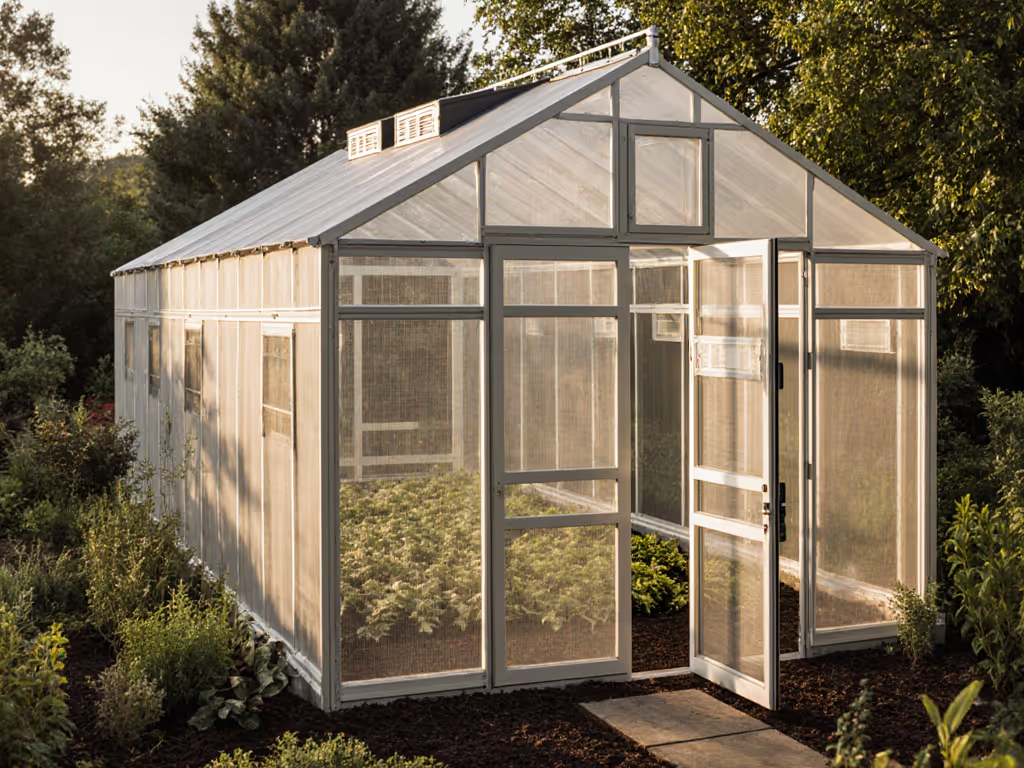
The best systems create a complete barrier while maintaining adequate airflow (because remember, proper pest control ventilation prevents the humidity buildup that leads to fungal diseases). This is where thoughtful design meets pest prevention: vents positioned to create cross-breeze while keeping mesh facing away from prevailing winds to prevent screen clogging.
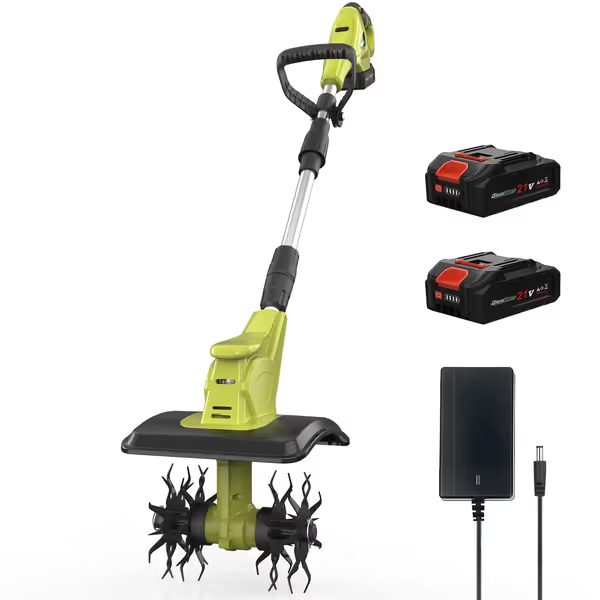
20V Cordless Tiller Cultivator
Effortlessly cultivate soil with cordless freedom and powerful dual batteries.
$89.99
Cultivation Width9 inches
Cultivation Width9 inches
Pros
Breaks hard soil and small roots easily.
Dual batteries ensure continuous runtime.
Cons
May not suit very large areas.
It breaks up hard soil and smallish roots. The tool comes with two batteries that last the entire job, and customers appreciate its compact size.
It breaks up hard soil and smallish roots. The tool comes with two batteries that last the entire job, and customers appreciate its compact size.
This connection between soil health and pest resistance brings us to a critical but often overlooked element: your foundation. Before installing screening systems, prepare healthy soil that supports strong plant immunity. The GroveCraft Cordless Tiller helps you create ideal soil conditions without exhausting yourself (a necessity when your greenhouse encourages daily visits). As I discovered with my white-shaded hoop house, when the space itself feels comfortable, you're far more likely to notice early pest indicators and take action before problems escalate.
Step 3: Design Your Ventilation for Pest Exclusion
This is where most greenhouses fail: trading ventilation for pest protection, or vice versa. The solution lies in strategic placement and specialized hardware:
Smart Vent Placement Principles
- Lower intake vents should feature finer mesh (80-100 mesh) to block crawling insects
- Upper exhaust vents can use slightly larger mesh (40-50 mesh) since rising heat creates upward airflow that naturally repels many pests
- Ridge vents must have specialized curved screening that prevents rain entry while maintaining airflow
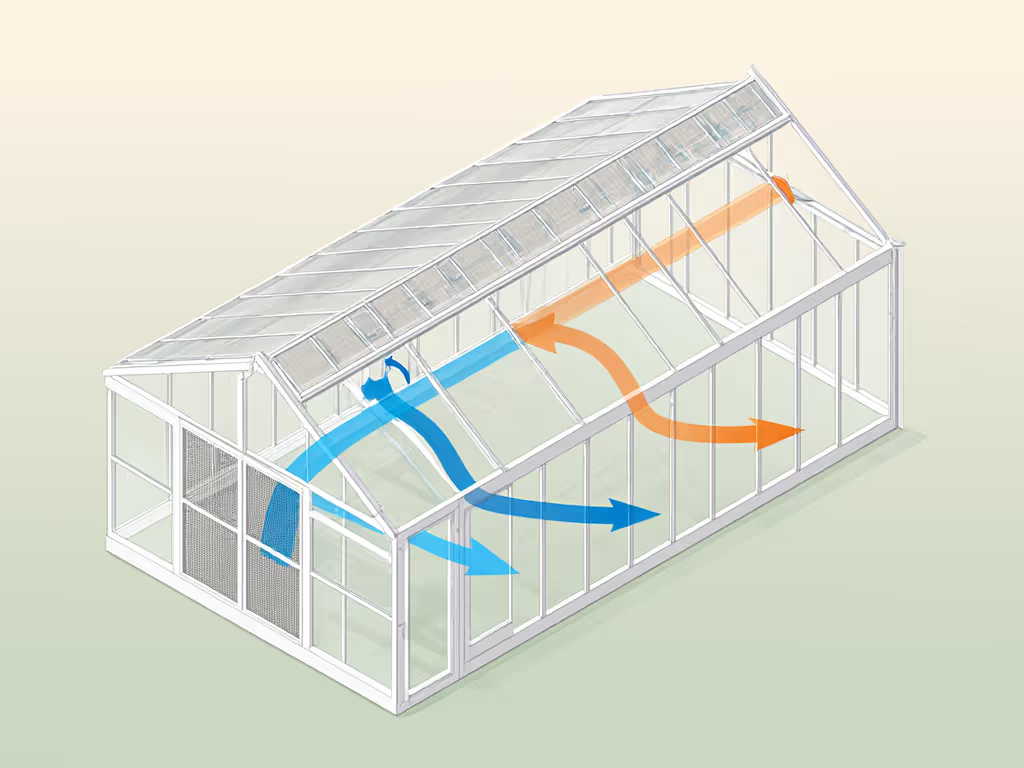
Many growers I've worked with initially resist restricting airflow with finer mesh, fearing overheating. But when properly balanced across multiple vent points, an effective pest-resistant greenhouse actually maintains more stable temperatures, reducing heat spikes that stress plants and make them vulnerable to pests. Remember: Cool the human, save the crop. Plants suffer less when temperature fluctuations are minimized, and you're more likely to stay inside monitoring for problems. For deeper strategies to stabilize heat without sacrificing airflow, see our passive solar greenhouse guide for orientation and thermal mass tips.
Step 4: Seal the Hidden Gaps
Most greenhouse pests enter through unnoticed vulnerabilities. Conduct this seasonal checklist:
- Door sweeps: Replace worn seals twice yearly
- Panel junctions: Check for cracks where polycarbonate meets frame
- Utility penetrations: Seal around electrical and irrigation lines with silicone caulk
- Foundation gaps: Inspect where structure meets ground monthly For a month-by-month upkeep plan that keeps seals tight and vents working, use our seasonal greenhouse maintenance checklist.
One elderly gardener I advised, whose arthritis made frequent spraying impossible, transformed her pest problems simply by installing magnetic door seals. "Now I can just walk in midday to prune," she told me, "and I actually see problems before they spread." That's the power of passive exclusion: it creates the conditions for observation and timely intervention.
Step 5: Build Your Full Integrated Strategy
True integrated pest management greenhouse systems combine exclusion with complementary practices:
Cultural Practices That Support Your Screening
- Soil health: Healthy plants resist pests better; prepare beds with the right tiller to avoid compaction
- Plant spacing: Adequate airflow between plants prevents microclimates where pests thrive
- Sanitation: Remove plant debris weekly where pests lay eggs
- Companion planting: Certain herbs repel specific pests naturally
Monitoring Made Manageable
With your exclusion system in place, monitoring becomes quicker and more effective:
- Check undersides of leaves weekly (use a handheld mirror for hard-to-see areas)
- Place yellow sticky traps near vents to catch early invaders
- Keep a clipboard with simple charts to track pest sightings
When you've built a comfortable space that invites regular visits, you'll notice that aphid colony before it becomes an infestation. This approach aligns perfectly with Oklahoma State University's IPM guidelines, which emphasize that "close monitoring of plant health" paired with "prompt remedial action" forms the backbone of effective pest management.
Grow in Peace, Harvest with Confidence
A truly pest-resistant greenhouse isn't built with screens alone, it's created through thoughtful integration of exclusion systems, climate management, and human-centered design. When your structure actively prevents pests rather than merely reacting to them, you transform greenhouse gardening from a constant battle into a sustainable practice you'll enjoy through every season.
The best greenhouses don't just protect plants; they create spaces where you want to spend time, making consistent pest monitoring feel less like a chore and more like a pleasure. As your comfort grows, so will your harvests, and your commitment to tending through every storm.
Ready to explore which specific greenhouse models implement these exclusion principles most effectively for your climate? I've created a detailed comparison guide matching screening systems to regional pest pressures, because your perfect pest-resistant greenhouse is waiting to be discovered.
Related Articles