Secure Your Pet-Safe Greenhouse: Thriving Plants Inside
By Hana Al-Khalil • 2nd Dec
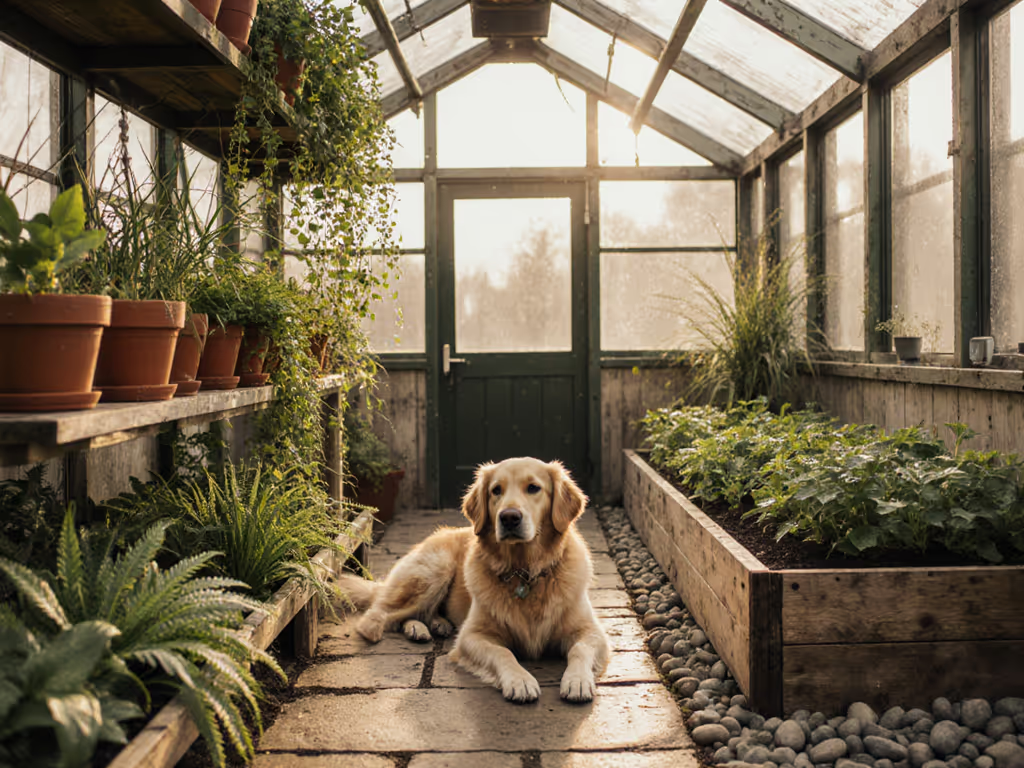
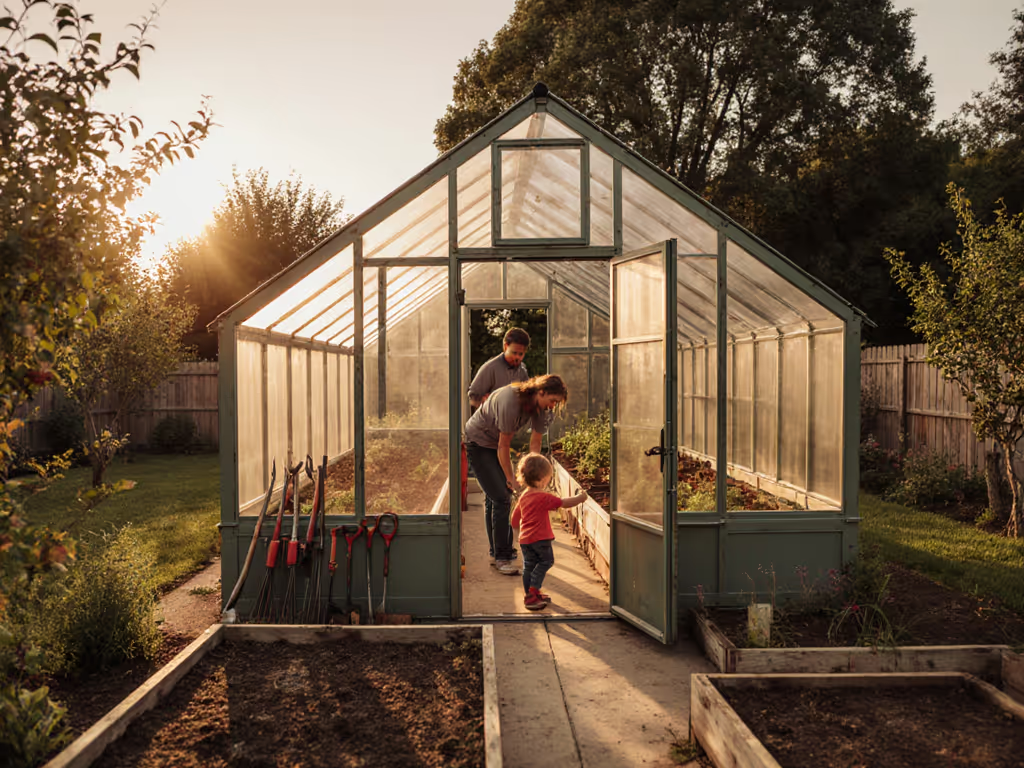
If you've ever rushed out to your greenhouse only to find paw prints on your seed trays or half-eaten seedlings, you know the heart-sinking feeling when pets and plants collide. Creating a pet-safe greenhouse isn't just about protecting your precious tomatoes, it's about designing an animal-friendly greenhouse where both your furry companions and your crops can thrive without compromise. I remember inheriting a beautiful hoop house that became my nemesis each summer (by noon, the tomatoes would be scorched and the space unbearable for both me and my neighbor's curious golden retriever). That's when I realized: the true measure of garden success isn't just harvest yield, but whether you actually want to be in the space when the sun hits its peak. Comfort grows plants (and keeps you tending through storms). If overheating is your main battle, compare options in our ventilation kit comparison to keep temps pet- and plant-safe.
Understanding Pet Behavior in Greenhouse Spaces
Before diving into solutions, let's map the territory. Different pets interact with greenhouse environments in distinct ways:
- Dogs: Often patrol perimeter boundaries, may dig foundations, and sometimes chew on frames or plants
- Cats: Prefer elevated surfaces (like greenhouse shelves), climb structures, and may knock over pots
- Small animals (rabbits, guinea pigs): Tend to nibble low-growing plants and explore under benches
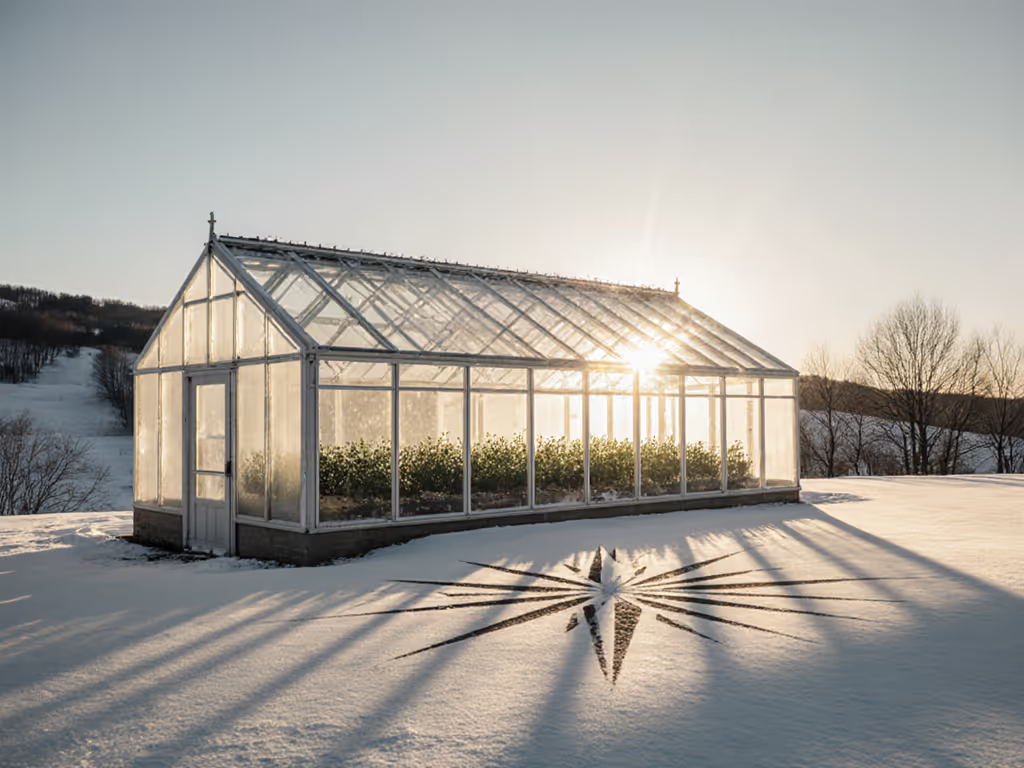
Walk through your greenhouse at different times of day and observe: Where does your pet linger? What surfaces do they touch? I mapped sun angles and pet traffic patterns in my own greenhouse with simple chalk marks on the ground, and within a week, I had a clear visual of high-risk zones. Notice how the temperature climbs hour by hour; when the interior hits 85°F, most pets (and people) instinctively seek cooler spots. This sensory awareness helps you anticipate problem areas before they become disasters. To turn those observations into action, follow our microclimates guide to zone pet-friendly paths and plant areas. It also builds your confidence.
Step 1: Strategic Plant Selection for Harmony
Prioritize Non-Toxic Varieties
The foundation of any pet-safe greenhouse is your plant selection. While it's tempting to fill your space with every heirloom tomato variety, prioritize plants that won't harm curious noses. Some excellent non-toxic greenhouse plants include:
- Herbs: Basil, cilantro, parsley, rosemary (all safe for pets and humans)
- Leafy greens: Kale, lettuce, spinach (just watch for enthusiastic nibblers)
- Vegetables: Green beans, peas, carrots (generally ignored by pets)
Create a sensory map on your greenhouse wall: mark hot spots with temperature readings and corresponding plant tolerances. When I positioned my basil near the north wall where temperatures stayed consistently below 80°F, not only did the plants thrive, but my cats lost interest in the cooler, less enticing leaves.
Cool the human, save the crop.
Step 2: Designing Physical Boundaries
Gentle Greenhouse Fencing Solutions
Rather than building fortress-like barriers, consider subtle, integrated fencing that guides behavior without creating visual barriers. My hoop house transformation began with this simple shift in perspective:
- Low-profile barriers: A 6" curb of untreated cedar around bed edges (not high enough for humans to trip over, but sufficient to deter most small pets)
- Strategic bench placement: Positioning 30" high benches against the north wall, creating a natural barrier with easy human access from both sides
- Trellis systems as boundaries: Vertical gardening with pea netting along the perimeter serves dual purposes: supporting climbing plants while creating a visual and physical boundary
The
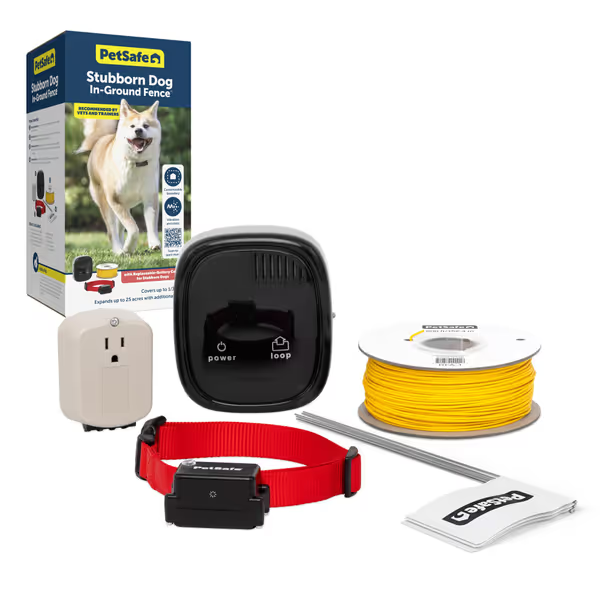
PetSafe Stubborn Dog In-Ground Fence
Reliable containment for stubborn dogs with DIY installation.
$83.06
Covers Up To1/3 Acre
Covers Up To1/3 Acre
Pros
Effective for stubborn dogs (stronger correction than light-duty versions).
Easy weekend DIY installation with custom boundary shapes.
Cons
Wire durability and collar replacement costs receive mixed feedback.
Customers find the fence collar works well, particularly noting it's more effective than the light-duty version, and appreciate its ease of installation and ability to keep dogs within the yard.
Customers find the fence collar works well, particularly noting it's more effective than the light-duty version, and appreciate its ease of installation and ability to keep dogs within the yard.
I referenced in my early greenhouse experiments proved invaluable for keeping determined dogs out of my planting zones. For structural exclusion alongside training, see our pest-resistant greenhouse kits with fine-mesh screening and smarter vent designs. The invisible boundary system created a psychological perimeter without disrupting the garden's flow (my golden retriever learned within two weeks to respect the area without ever experiencing correction, simply responding to the tone cues during training).
Step 3: Implementing Pet Exclusion Techniques
Creating Designated Zones
Think of your greenhouse as a series of purposeful zones rather than a single monolithic space. This approach works with natural pet behaviors rather than against them:
- Planting zones: Elevated beds with 30"+ height, accessible only from human pathways
- Pet exploration zones: Designated low-traffic areas with durable, non-toxic plants at ground level
- Transition zones: Bench edges with smooth transitions to prevent accidental paw injuries
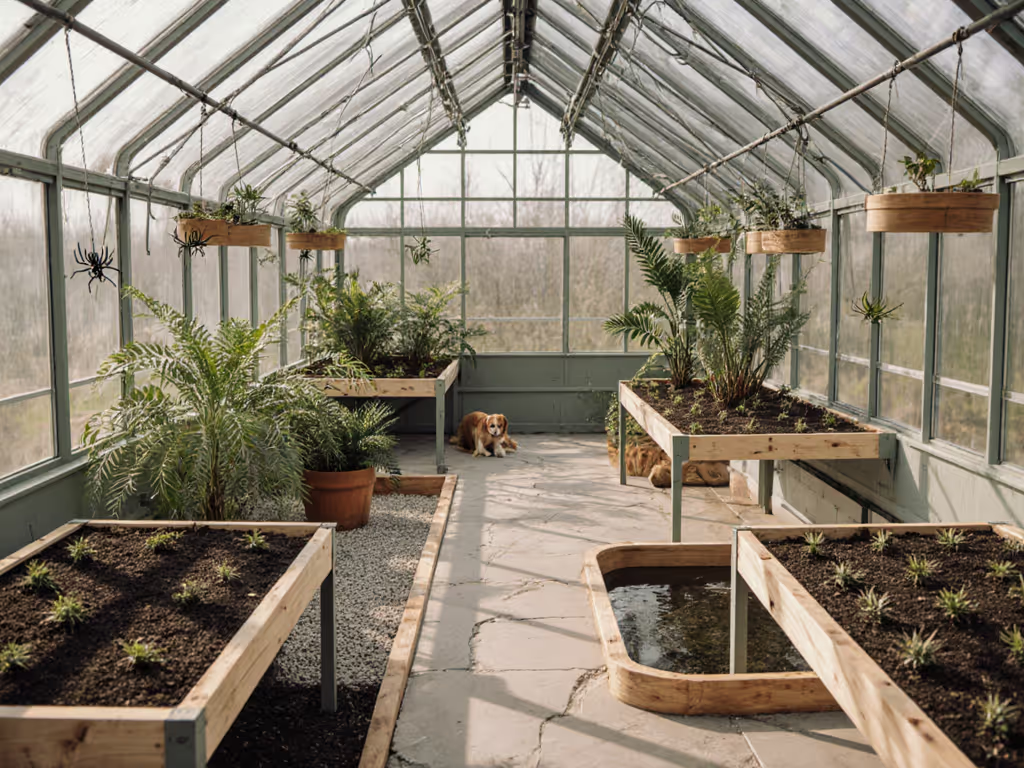
When I added a small "pet welcome" corner with catnip and wheatgrass away from my main growing area, something remarkable happened: my cats stopped bothering my tomatoes entirely. They had their own special spot, and the rest became "off-limits" through positive reinforcement rather than punishment.
Airflow as Gentle Deterrent
Strategic ventilation creates subtle environmental cues that naturally redirect pet traffic. Here's how to implement this passive strategy:
- Install low vents (8-12" from ground) along the north wall to create cooler air channels pets tend to avoid
- Position high vents (6-12" from roof peak) along the south wall to create upward airflow
- Add a white shade cloth (40-50% coverage) that reduces interior temperatures while maintaining light
The airflow pattern in my greenhouse now creates a natural temperature gradient: cooler near the ground for plant roots, warmer higher up where humans work. Pets instinctively avoid the warmer upper zone, while my seedlings enjoy the stable microclimate below. Everyone settles into the right place. If you’re mixing cool- and warm-loving crops, use our temperature zones guide to keep each happy in one structure.
Step 4: Human Comfort for Year-Round Tending
Accessibility-Aware Layout
Your greenhouse should accommodate both four-legged and two-legged visitors. I redesigned my bench system to include:
- A 36" wide central pathway for wheelbarrows and wheelchair access
- Bench heights at 28" (standard kneeling height) and 36" (standing height)
- "Knee pocket" cutouts under benches for comfortable tending
These small ergonomic adjustments made such a difference that my 78-year-old neighbor now joins me for midday pruning sessions (something she'd never do when the space was overheating). Comfort sustains the habit; if you enjoy the space, you'll tend it through every season.
Thermal Mass for Stability
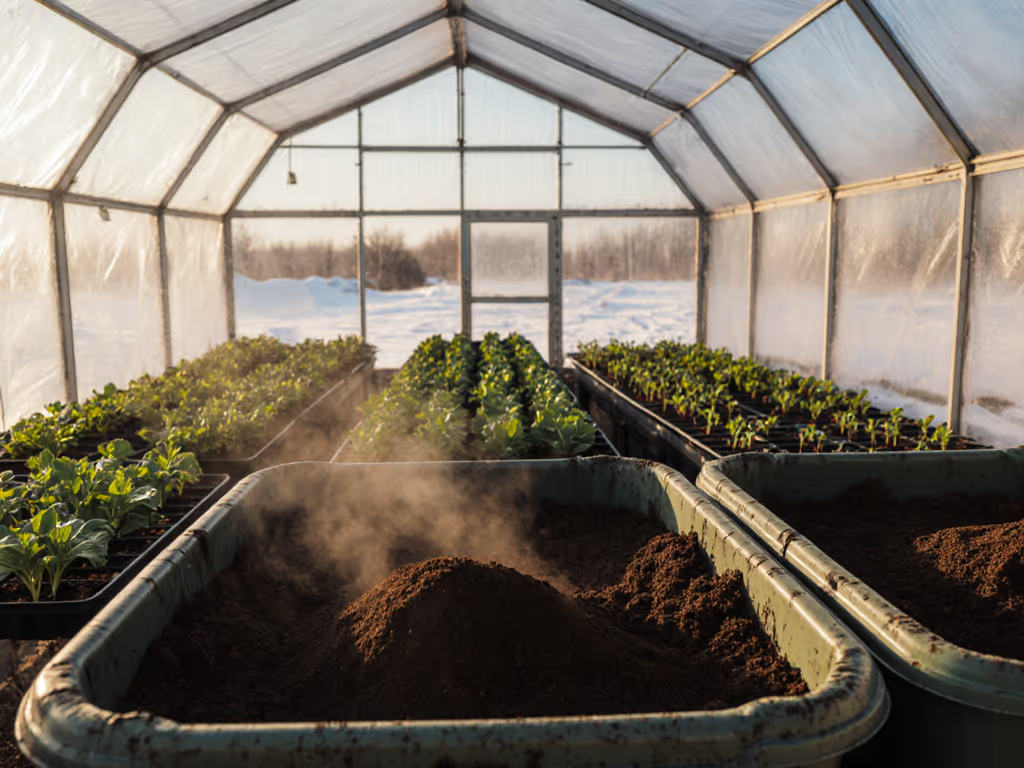
Water barrels along the north wall (positioned to avoid blocking light) serve dual purposes: they create a physical boundary that pets won't cross, while stabilizing temperature swings. For more no-electricity heat buffering ideas, see our thermal mass heating guide. I positioned three 55-gallon food-grade barrels along my north wall; they absorb heat during the day and release it slowly at night. The space now stays within 10°F of optimal range throughout the day, even during heatwaves. My plants stopped showing heat stress, and the cooler microclimate made the space inviting at all hours.
Conclusion: The Harmony of Multiple Lives
Creating a secure pet-safe greenhouse isn't about exclusion: it's about thoughtful inclusion that respects both plant needs and animal instincts. When you design with passive climate control, ergonomic considerations, and behavioral understanding, you create a space where everything thrives. Remember that each small adjustment compounds: better airflow means healthier plants, which means less pet curiosity; comfortable tending spaces mean more regular care; strategic boundaries mean less stress for everyone involved.
I encourage you to start with one small change this week: map your pet's traffic patterns, replace one toxic plant with a pet-safe alternative, or adjust one vent position. Notice how these shifts affect your own willingness to spend time in the space. As you experience the difference that thoughtful design makes, you'll find yourself naturally implementing more changes. For further exploration, consider keeping a simple journal tracking temperature, pet behavior, and your own comfort levels (within a month, you'll have personalized data to guide your next improvements). Your greenhouse should be a place of joy for all inhabitants, human and animal alike. After all, when you cool the human, you save the crop.
Related Articles