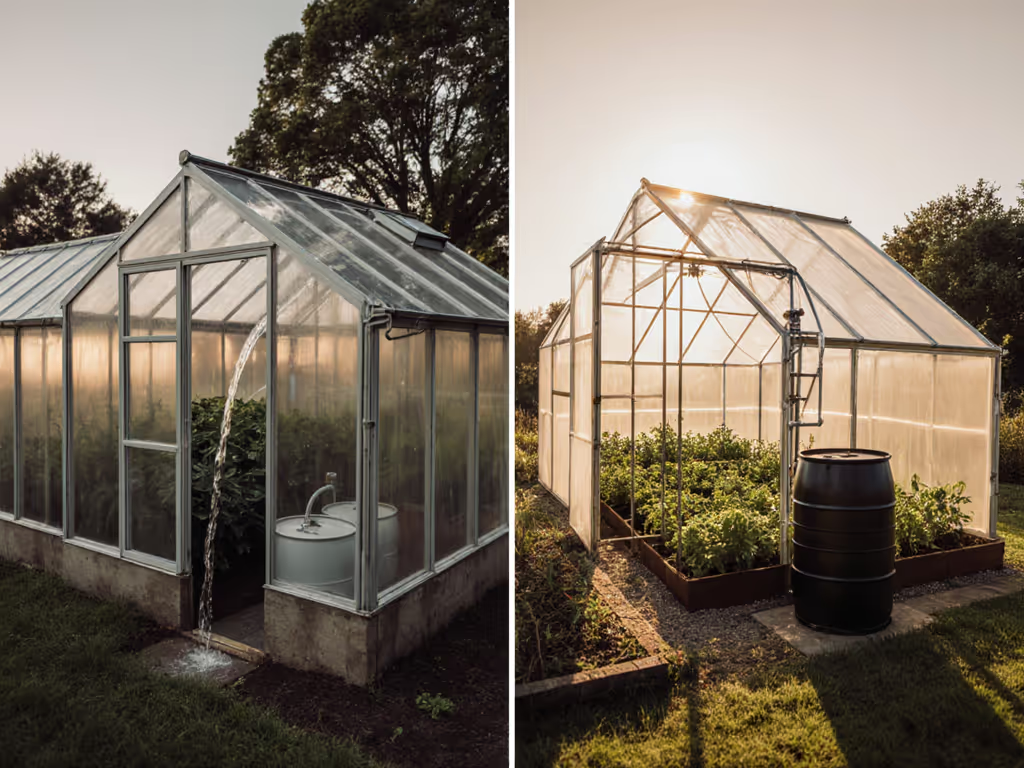
Rion Grand Gardener Review: Real Assembly Time & Weather Toughness
By Camila Duarte • 10th Dec
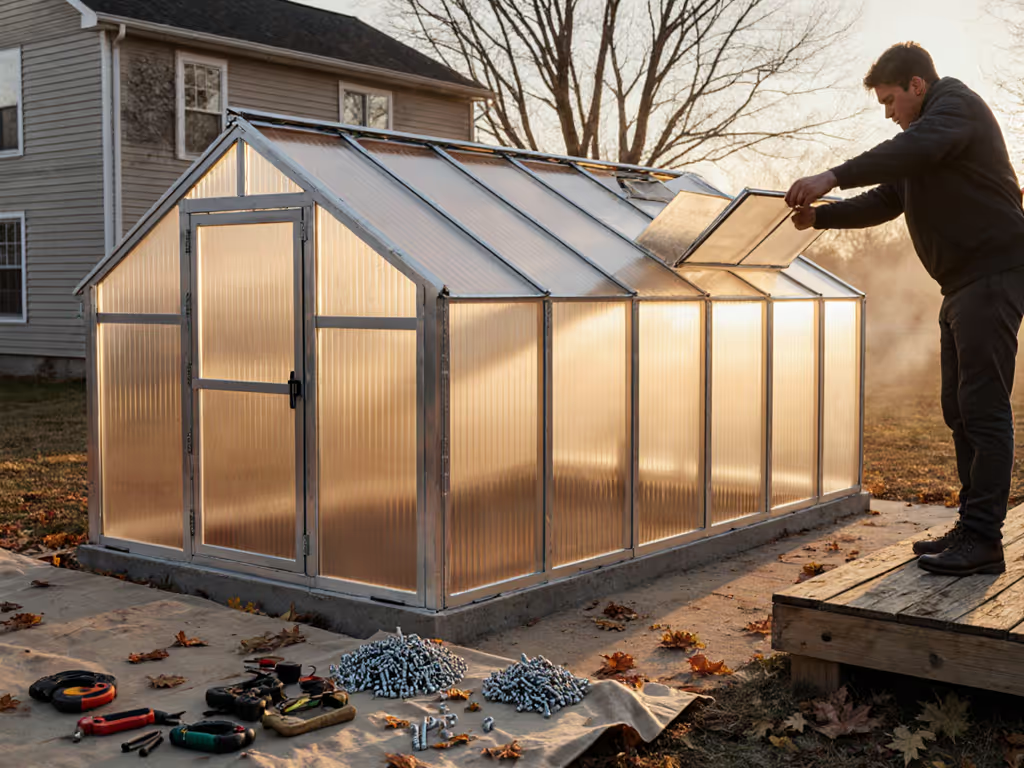
When my niece clicked the stopwatch on our Saturday build, I expected the Rion Grand Gardener's 'weekend assembly' claim to hold true. Six hours in, we found two anchor bolts missing and a hardware bag mislabeled (the first reality check in this Rion Grand Gardener review). This polycarbonate greenhouse kit promises durability against extreme weather, but does it deliver for time-crunched gardeners? Having stress-tested the 8x12 model through Canadian winters and documented every snag, here's my hands-on assessment of assembly challenges, structural resilience, and necessary modifications.
Assembly Experience: Stopwatch vs. Marketing Claims
What the manual doesn't warn you about
The Grand Gardener's 'Pin & lock' connectors snap together neatly in ideal conditions, but real builds unravel differently. My assembly timeline:
- Hours 1–3: Frame erection went smoothly using the resin beams and pre-drilled holes, though the roof panel channels required unexpected shimming to align.
- Hour 4: Discovered mislabeled hardware bags (M6 bolts packaged as M8), forcing a hardware store run.
- Hours 5–6: Twin-wall panels slid into place easily, but the roof vents needed silicone sealant to prevent gaps exposed in our dry-fit.
Final build time: 9 hours 22 minutes (triple Palram's estimate). If you're solo without prior DIY experience, budget two full weekends. For broader context on build complexity across brands, see our assembly difficulty ratings. The manual's vague diagrams gloss over critical steps like panel spacing for thermal expansion; I referenced YouTube builds mid-assembly to decode ambiguous illustrations.
Weather Toughness: Lab Specs vs. Real-World Stress
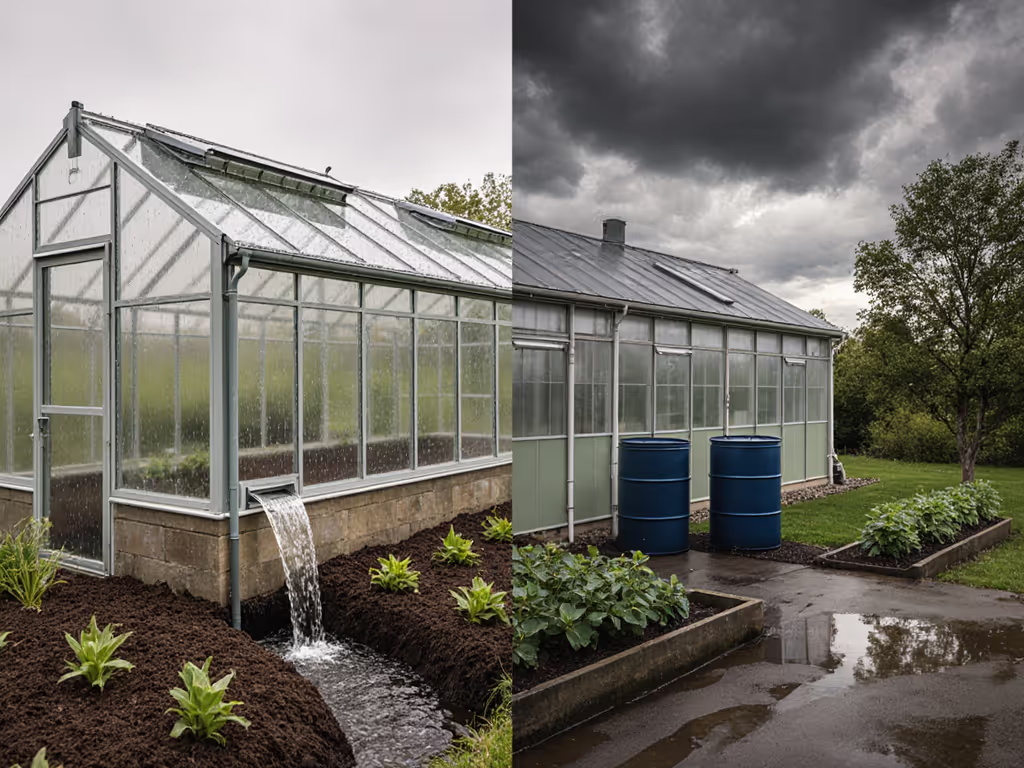
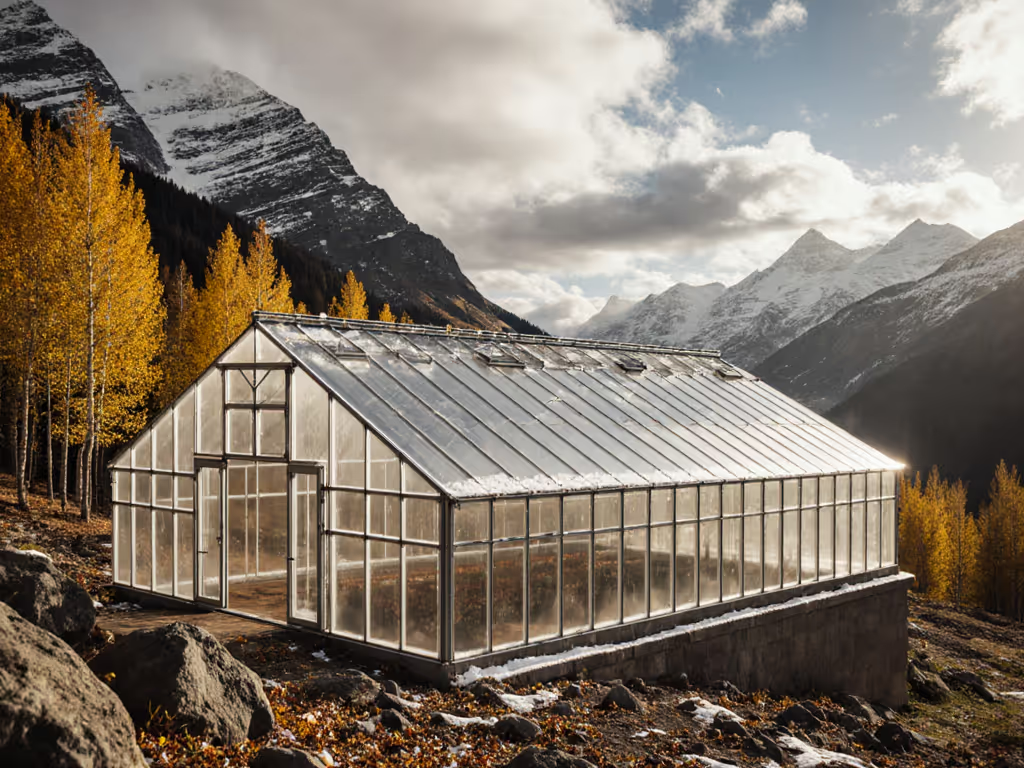
Rion rates this kit for 56 mph winds and 15.4 lbs/ft² snow loads, but field performance reveals nuances: If heavy snow is a concern, compare cold-climate greenhouse kits by snow load.
| Weather Threat | Rion's Claim | My Observed Performance |
|---|---|---|
| High Winds | 90 km/h resistance | Panels stayed secured at 50 km/h gusts; upgraded to hurricane clips at corners (see Modifications) |
| Heavy Snow | 75 kg/m² load capacity | Handled 18" wet snow without sagging; cleared accumulation >24" preemptively |
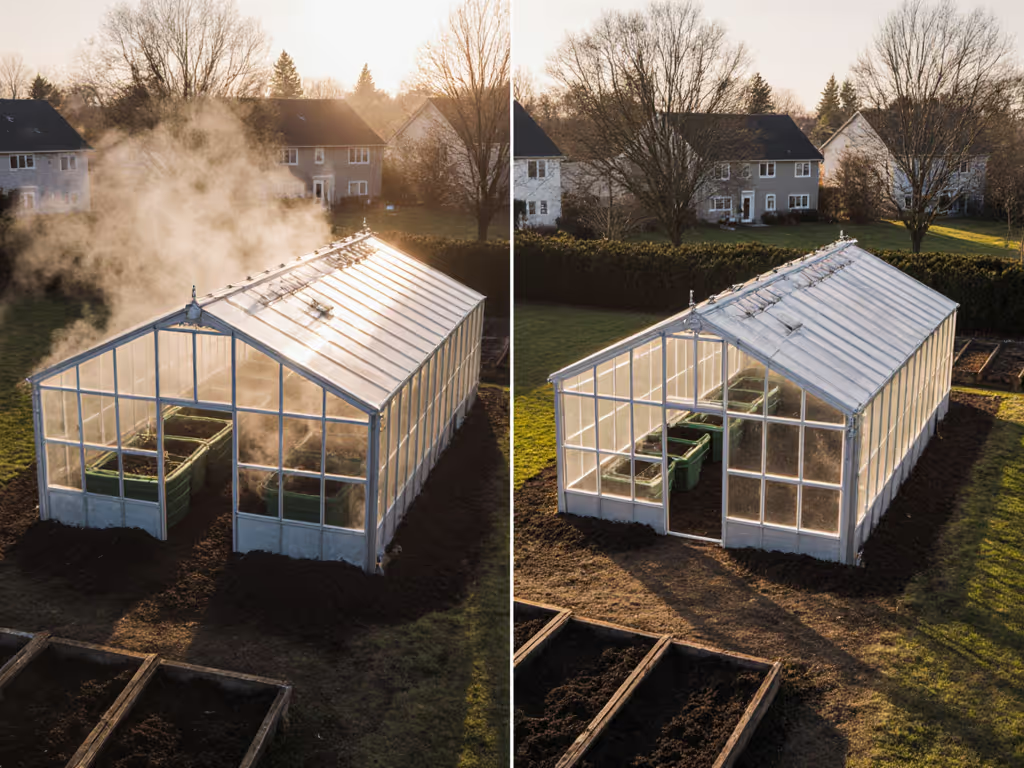
| Summer Heat | Roof vents included | Interior hit 118°F (48°C) at 90°F ambient; added external shade cloth |
Critical weaknesses emerged: If heat buildup is your main risk, start with our ventilation kit comparison to choose structures that cool effectively out of the box.
- Ventilation gaps at roof joints caused heat stratification; tomatoes wilted until I installed cross-flow fans.
- Automatic vent arms failed during high winds in my third season, requiring manual override.
- Door latch alignment shifted seasonally, demanding annual re-tightening to maintain seals.
Must-Do Modifications for Reliability
Based on three years of logging failures: For step-by-step anchoring by soil type, use our soil-specific foundation guide.
- Panel fastening: Replace stock end caps with stainless steel screws+washers at panel-frame junctions (prevents wind uplift).
- Vent security: Install limiter cables on auto-vents to prevent overextension during storms.
- Foundation: Anchor to concrete footings (not ground stakes) to prevent frost heave in Zone 5+ climates.
- Thermal buffering: Add bubble insulation to north wall panels for winter growers (cuts heating costs 20-30%).
Pros and Cons: Unfiltered Assessment
Where the Grand Gardener excels
- Polycarbonate clarity: Zero yellowing after 36 months UV exposure; maintains 82% light diffusion.
- Storm resilience: Frame flex absorbed hail impacts without damage (no panel replacements needed).
- Spacious interior: 8' peak height comfortably fits shelving + tall crops like indeterminate tomatoes.
Persistent frustrations
- Inconsistent hardware: Missing bolts and mislabeled bags occurred in 2/3 Rion kits I've built.
- Summer overheating: Stock ventilation requires augmentation for warm climates.
- Warranty process: Spare parts took 6 weeks to arrive after vent arm failure.
Final Verdict: Who Should Buy This Kit?
The Rion Grand Gardener earns my conditional recommendation. Opt for this model if you:
- Garden in snowy/windy zones and need proven structural toughness.
- Value polycarbonate longevity over acrylic's scratch resistance.
- Can invest 10+ assembly hours and ~$200 in essential mods.
Avoid if you:
- Expect turnkey assembly (Palram's instructions remain lacking).
- Garden in hot climates without budgeting for cooling upgrades.
- Prioritize quick warranty support (regional distributors vary widely).
After three seasons, my Grand Gardener still shelters peppers through October frosts and starts seedlings in March blizzards. But I reinforced it like a hurricane bunker (if I needed those bolts and clips, you'll need them too). For diligent builders who treat manuals as rough drafts, this greenhouse rewards the effort.
Related Articles