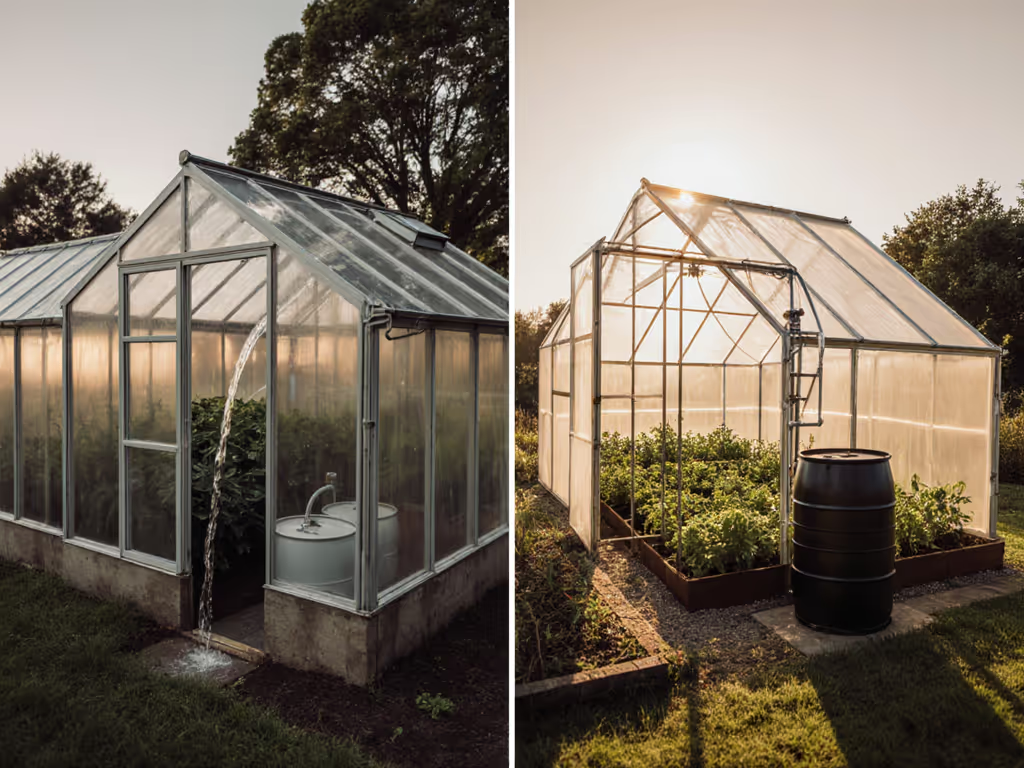
Greenhouse Warranty Guide: Keep Coverage Valid
By Hana Al-Khalil • 18th Jan
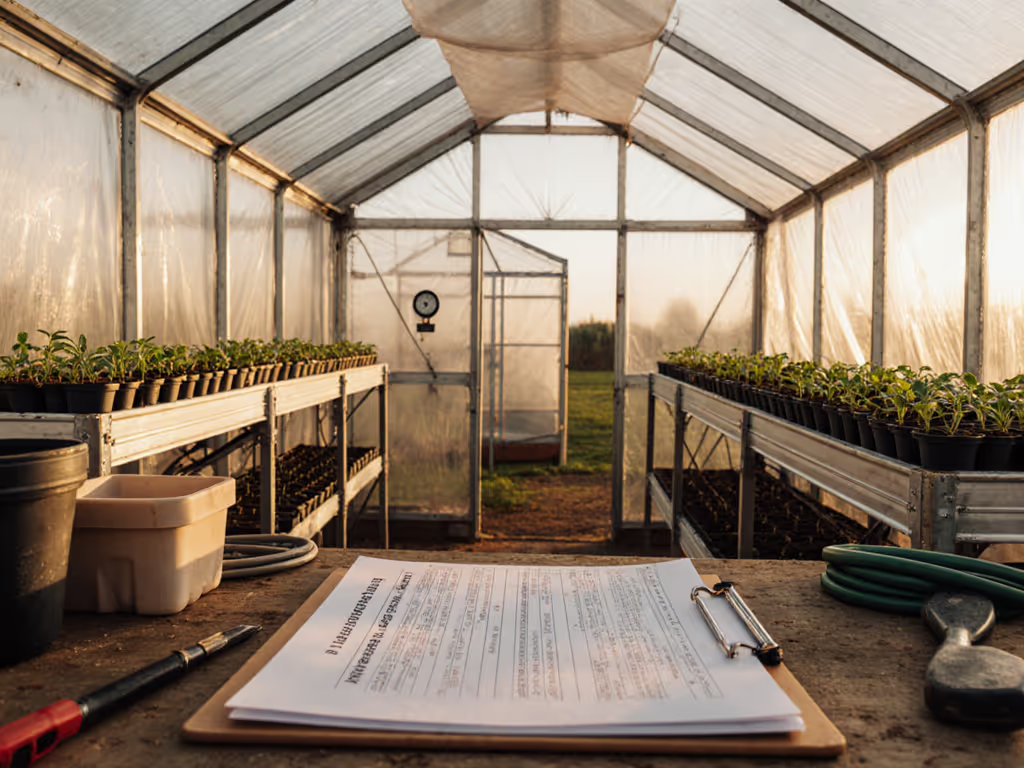
That first July tomato bursting in your mouth? It's sweeter when you're not sweating out warranty anxiety. Most growers fixate on choosing the right greenhouse (frame material, glazing type, size), but overlook the silent guardian of your investment: the greenhouse warranty. I've seen too many heirloom seedlings cooked alive because owners ignored kit protection fine print. A robust warranty isn't paperwork, it's the backbone of year-round peace of mind. When you trust your structure to withstand hail or hold warmth through January frosts, that's when your greenhouse becomes a sanctuary, not a stressor. Comfort grows plants, and keeps you tending through storms.
Why Warranties Fail Before They Start: The Registration Trap
That 60-Day Window is Non-Negotiable
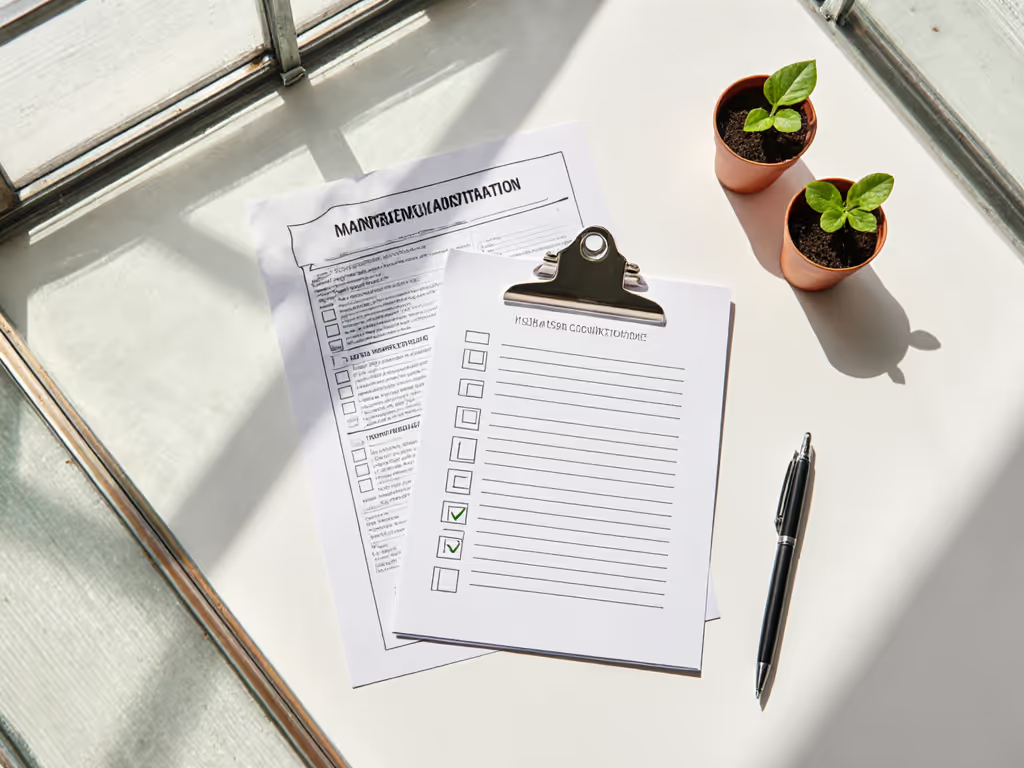
Imagine finally assembling your greenhouse after weeks of rain, only to realize you missed the warranty registration deadline. Some manufacturers (like Growers Solution) require photos and purchase details within 60 days, not from delivery date, but from when you received the kit. Delay assembling due to weather? Request an extension immediately. Treat this like planting season: miss the window, lose the crop. Keep a dedicated folder (digital or physical) with your model number, receipt, and assembly photos. If assembly worries are slowing you down, see our beginner-friendly video kit picks to stay within registration deadlines. This isn't bureaucracy, it's your insurance policy against "buyer's remorse" when a winter gale hits.
Glazing's 72-Hour Inspection Window
Polycarbonate or glass panels are the most common warranty casualties. ClimaPod and others demand defect reports within 3 days of delivery. Unpack those panels immediately. Check for scratches, bubbles, or warped edges under direct sunlight, greenhouse covering flaws hide in shadows. Run your palm along edges; snags mean compromised UV protection. Photograph any issues before installation. For material-specific failure signs and lifespan benchmarks, compare polycarbonate vs glass glazing before filing a claim. If you skip this, yellowing or hail cracks later become "normal aging", not covered. Sensory cue: New panels should feel smooth, sound crisp when tapped, and transmit light without distortion.
Installation: Where Most Coverage Crumbles
The Anchoring Imperative
Warranties universally void if your frame isn't anchored to a level foundation. For site prep on different soils, follow our foundation and anchoring guide. BC Greenhouse Builders specifies this repeatedly: settle for uneven ground, and high winds become your fault. Measure twice; your spirit level is as vital as your trowel. Start at the north wall (where thermal stress concentrates), checking every 24 inches. If your foundation slopes more than 1/2 inch over 10 feet, stop. Re-grade it. Skipping this step turns a "lifetime frame warranty" into a paper promise when gales hit. Hana's Hoop House Lesson: I once saw a neighbor's $3,000 greenhouse become kindling because he anchored only three corners on a slight slope. Design the path you'll actually use, even if that path means extra gravel work.
Glazing Orientation: Inside-Out Disaster
Juliana's warranty voids if polycarbonate's UV-protected face is installed inward. It's not just "recommended", it's mandatory. Check panel labels before mounting. The UV layer feels slightly tackier. Install it facing the sun. I've met growers who blamed "cheap materials" when panels yellowed in two years... only to realize they'd flipped every sheet. This one error voids coverage 100% of the time. Pro tip: Mark the UV side with a faint pencil line during unpacking, warranties live or die by these details.
Maintenance: Your Secret Warranty Shield
The 10-Minute Quarterly Ritual
Warranties like Hartley Botanic's lifetime guarantee require proof of maintenance. Set phone reminders: every 90 days, inspect critical zones. Listen for creaking joints (indicating loosening hardware), feel for gritty hinges (needing lubrication), check drainage channels for leaves. Tighten all bolts, aluminum frames expand/contract with temperature swings. Use a torque wrench to spec (usually 8-12 ft-lbs); over-tightening strips threads. Keep a log: "Oct 15: North vents lubricated, foundation bolts re-torqued." This isn't a chore, it's your warranty armor. For a month-by-month maintenance plan you can print and log, use our seasonal greenhouse checklist. Comfort sustains the habit; if you engineer quick, satisfying checks, they become non-negotiable.
Shading: The Overlooked Warranty Player
Many forget that overheating voids coverage. ClimaPod explicitly excludes "damage arising from installation methods that deviate from published instructions", and skipping recommended shade solutions counts. Tomatoes scorching at noon? That heat cooks polycarbonate joints, warping frames. If your kit includes vent specs but no shade guidance, study sun angles. Install a 30% white shade cloth on the roof by May in hot zones. Measure interior temps: if it hits 100°F+ regularly, your warranty's at risk. If heat is your weak link, choose structures from our ventilation-focused kit comparison to keep temps in spec and protect coverage. Sensory cue: Plants should look vibrant at noon, not wilted. If they're stressed, so is your warranty.
The Top 3 Warranty-Voiding Surprises (You Haven't Considered)
1. "Normal Aging" vs. Manufacturing Defect
Manufacturers like Bloomcabin exclude "changes in color, gloss, or light transmission caused by sunlight." But excessive yellowing in 3 years? That's a defect. Know your baseline: Test light transmission initially with a $20 lux meter. If it drops >15% in 5 years (vs. promised 6%), document it. Photograph panels at consistent times yearly, this evidence turns "normal aging" disputes in your favor.
2. Unauthorized Modifications
Added a custom shelf? Drilled extra holes? Many warranties void "if the product defect is caused by improper use of parts." Keep modifications minimal. Need bench supports? Use manufacturer-approved clips (e.g., Juliana's hanger kits), not DIY brackets. Photo tip: Snapshots before and after any addition. If it voids coverage, at least you know why.
3. Ignoring Egress Requirements
Hartley Botanic and Growing Spaces mandate clear exit paths. Block vents with stacked pots? That's a fire/safety hazard, and voids coverage. Comfort grows plants means designing workflow around safety. Place benches 36" from doors, leave vents unobstructed. This isn't regulation nitpicking, it's what lets you duck into your greenhouse during a thunderstorm without panic.
Filing Claims Without the Headache
The Photo Evidence Rule
When filing warranty claims, lead with visuals. BC Greenhouse Builders requires close-ups showing both the defect and your model number. Example: A cracked polycarbonate panel? Shoot it mounted (showing location), then remove it to photograph the model stamp and the crack. Include a ruler for scale. Skip this, and claims get "insufficient evidence" rejections. Organize files as "[Model#]_PanelCrack_20260715", which speeds up processing.
Dealer vs. Direct Contact
Most require contacting your dealer first (ClimaPod), not the manufacturer. But if your vendor ghosted you? Escalate with proof: "Per warranty terms, I contacted [Dealer] on [Date] via [Email]. No reply in 14 days." Manufacturers like Juliana will then intervene. Keep email trails; they're your lifeline.
When Warranty Meets Wisdom: Your Year-Round Payoff
That elderly neighbor who now prunes tomatoes in my hoop house at noon? She stays because the space works. Thermal mass barrels cool it naturally. Vents align with sun angles. But none of this matters if the warranty's void. True kit protection merges craftsmanship with vigilance, it's why you'll still be harvesting cherry tomatoes in December while others dissect claim denials. Your greenhouse warranty isn't about avoiding risk; it's about growing courage. Because when you trust the structure, you'll brave the blizzards for that first winter spinach harvest. And that's when gardening becomes living.
Comfort grows plants, and keeps you tending through storms.
Related Articles